Shoulder Pain
Our expert team offers minimally invasive, image-guided procedures that provide rapid relief, improved outcomes, and faster recovery—all without the need for traditional surgery.
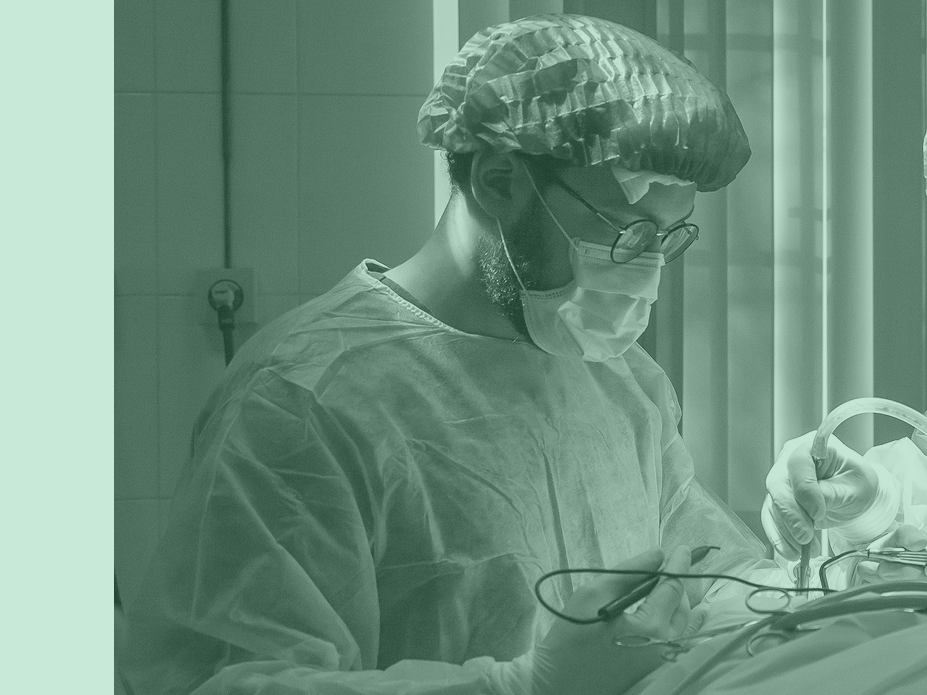
Shoulder Pain Embolization (TAME)
A minimally invasive treatment for chronic shoulder pain
Chronic Shoulder Pain
Chronic shoulder pain can be caused by inflammation or overuse of the tissues surrounding the shoulder joint. In many cases, tiny abnormal blood vessels form around these inflamed tissues, which can worsen pain and delay healing. Shoulder Pain Embolization (also known as Transarterial Microembolization – TAME) is a minimally invasive, image-guided procedure that targets and blocks these abnormal vessels, reducing inflammation and promoting recovery.
Common Conditions Treated
- Frozen shoulder (adhesive capsulitis)
- Secondary stiff shoulder (e.g. after trauma, after shoulder operation)
- Rotator cuff tendinopathy or partial tears
- Calcific tendinitis
- Post-arthroscopic shoulder pain
- Chronic post-operative shoulder pain =
- Trapezius Myalgia
Who May Benefit
You may be a suitable candidate if:
- You have persistent shoulder pain lasting more than 3 months
- Physiotherapy, medication, or steroid injections have not provided lasting relief
- You wish to avoid or delay surgery
- Ultrasound or MRI shows inflammation or abnormal vessels around the shoulder
How is the Procedure Performed?
- Performed by an interventional radiologist
- Done under local anaesthesia with mild sedation for comfort
- A small catheter is inserted into an artery (usually in the wrist or groin)
- Under X-ray guidance, the catheter is guided to the arteries supplying the inflamed area of the shoulder
- Tiny microparticles are injected to block the abnormal vessels while maintaining normal circulation
- The procedure usually takes about one hour and is performed as a day-stay treatment
Benefits
- Minimally invasive – no surgical incision
- Performed under local anaesthesia
- Short recovery time – most patients return to light activity within days
- Pain improvement often begins within days to weeks
- Improved shoulder movement and function over time
- May help avoid surgery or reduce reliance on pain medication
Risks and Side Effects
- Mild bruising or tenderness at the catheter site
- Temporary warmth, numbness, or mild skin discoloration near the shoulder
- A short-term increase in shoulder discomfort for a few days
- Very rarely: infection, tissue injury, or small areas of skin ulceration
After the Procedure
- Most patients go home the same day
- Light activities can usually resume the next dat
- Pain improvement typically occurs gradually over the following weeks
- Physiotherapy is recommended to maximise shoulder movement and strength
- Full benefits may be seen within 1–3 months
Talk to Us
If you suffer from chronic shoulder pain and are looking for a non-surgical treatment option, speak with your interventional radiologist or referring doctor to see whether TAME for your Shoulder Pain is suitable for you.