Plantar Fasciitis
Our expert team offers minimally invasive, image-guided procedures that provide rapid relief, improved outcomes, and faster recovery—all without the need for traditional surgery.
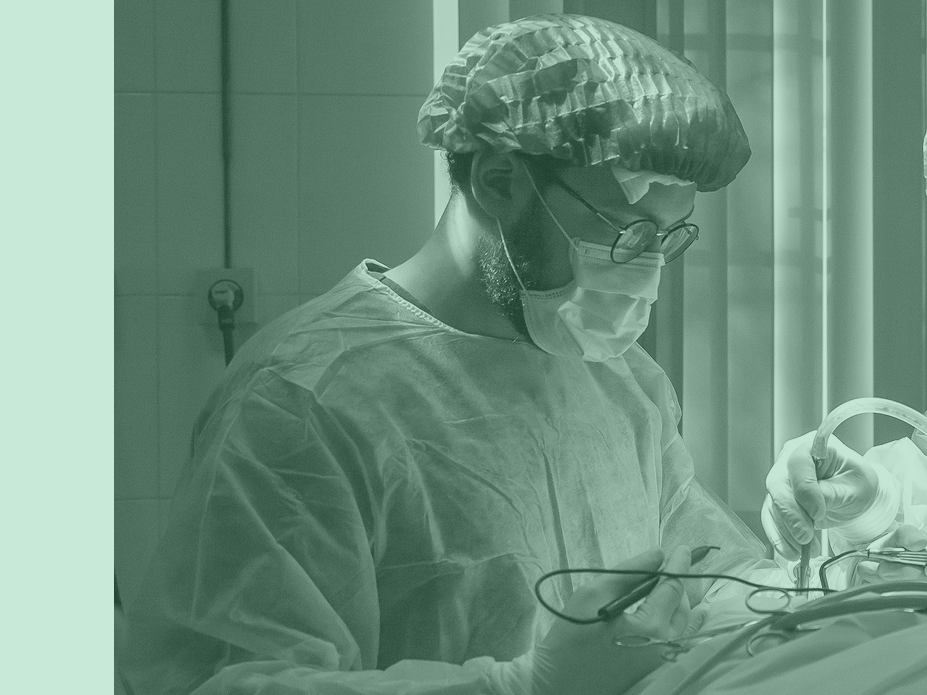
Plantar Fasciitis Embolization (TAME)
A minimally invasive treatment for chronic plantar fasciitis
Understanding Plantar Fasciitis
The plantar fascia is a thick band of tissue that runs across the bottom of the foot, connecting the heel bone to the toes. Plantar fasciitis is caused by inflammation of this tissue. It can be extremely painful and is the most common type of heel pain in adults. It is most often experienced between the ages of 40 and 60, and is more than twice as common in women. It frequently affects runners and people who spend long hours on their feet. Other risk factors include being overweight, having flat feet, limited ankle flexibility, prolonged standing, or type II diabetes.
What Happens in Plantar Fasciitis?
Overuse or repetitive micro-injury causes tiny tears and chronic inflammation in the plantar fascia near its attachment to the heel bone. This ongoing irritation leads to pain, stiffness, and thickening of the fascia that can persist for months.
Common Symptoms
People often experience:
- Sharp or aching pain in the heel, especially with first steps in the morning
- Pain after long periods of standing or walking
- Tenderness or swelling at the bottom of the heel
Conventional Treatments
Initial management may include:
- Rest, ice, and stretching exercises
- Orthotics or heel pads
- Physical therapy
- Anti-inflammatory medications or injections However, if pain lasts beyond 3–6 months, these standard treatments may no longer provide adequate relief.
A New Option: TAME
There is now a minimally invasive, image-guided treatment called TAME (transarterial microembolization) or PFE (Plantar Fasciitis Embolization). This procedure targets abnormal blood vessels that develop around the inflamed fascia and perpetuate pain. By selectively blocking these tiny vessels, TAME reduces inflammation and allows the tissue to heal naturally — often providing significant and long-lasting relief.
Who May Benefit?
You may be a good candidate if:
- You’ve had plantar fasciitis for more than 3 months
- You’ve tried physiotherapy, medications, orthotics or injections without lasting relief
- You wish to avoid or delay surgery
- Imaging (ultrasound or MRI) shows signs of plantar fascia inflammation
How Is the Procedure Performed?
- Performed by an interventional radiologist
- Done under local anaesthesia with mild sedation
- A tiny catheter is inserted into an artery, usually in the groin or ankle
- Using real-time X-ray guidance, the catheter is navigated to the arteries supplying the plantar fascia
- Microscopic particles are injected to block the abnormal vessels while preserving normal circulation
- The procedure usually takes about 30 minutes and is performed as a day-stay treatment
Benefits
- Minimally invasive – no surgical incision, Performed under local anaesthesia
- Quick recovery – most patients return to light activity within days
- Pain improvement begin with days to weeks
- Long-lasting improvement in pain, walking and stiffness
- May help avoid surgery (such as plantar fasciotomy) or reduce reliance on long-term medication
- Proven safety and efficacy in clinical studies
Risks and Side Effects
Complications are uncommon but may include:
- Mild bruising or tenderness at the catheter site
- Temporary warmth, numbness, or mild discoloration near the foot
- A short-term increase in heel discomfort for a few days
- Very rarely: infection, tissue injury, or skin ulceration
After the Procedure
- Most patients go home the same day
- Light activities can resume within a few days
- Pain typically improves gradually over several weeks
- Physiotherapy and stretching exercise may help recovery
Talk to Us
If you suffer from Plantar fasciitis and are looking for a non-surgical treatment option, speak with your interventional radiologist or referring doctor to see whether TAME for your Plantar fasciitis is suitable for you.