PAC
Our expert team offers minimally invasive, image-guided procedures that provide rapid relief, improved outcomes, and faster recovery—all without the need for traditional surgery.
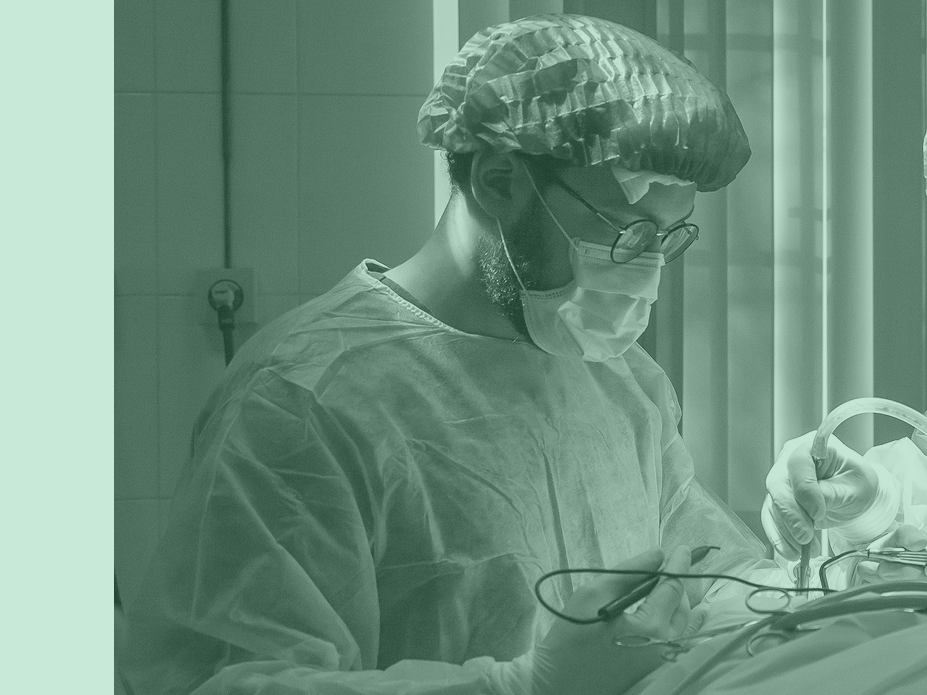
Port-a-cath insertion
Surgical placement of a device to provide long term access for treatment and blood sampling.
What is a port-a-cath (PAC)?
The PAC is a device that is inserted by a surgeon or interventional radiologist. It is placed under the skin just below the clavicle. The PAC is made of a special material that is sterile and durable, making it suitable as an implant. The PAC has an area that can be accessed with a needle that goes through the skin and into the PAC. The PAC is designed in such a way that it can be accessed many times, making it suitable for long term therapy and blood sampling. The PAC is often used in chemotherapy but can also be used in people who need other types of treatment that require long term blood vessel access.
Who May Benefit?
The treatment to insert a PAC is made together with your treating physician. People that may benefit from a PAC insertion are:
- People needing chemotherapy
- People needing frequent blood sampling that have difficult veins to access
- People needing frequent transfusions
How Is the Procedure Performed?
- The procedure is performed by a specialist interventional radiologist
- Done under local anaesthesia with mild sedation
- A sterile field is created around your neck and just below your clavicle
- The interventional radiologist creates a pocket under the skin to fit the PAC
- The vein in your neck is accessed (this can be right or left)
- A small tube is guided under your skin from the pocket to the access point in the vein in your neck. This tube will be situated under the skin and is not visible
- Using real-time X-ray guidance, the small tube is placed just above the heart
- The PAC is accessed to make sure it works properly
- The pocket is closed with dissolvable sutures (these will dissolve over time, and won’t need cutting)
- The access site in the neck is glued
- The procedure usually takes about 45 minutes and is performed as a day-stay treatment
Benefits
- Long term access to your veins
- No visible catheters which means no additional care is needed and you can swim and shower and bathe
- Quick recovery – most people return to activity the next day or within a few days
- Proven safety and efficacy in clinical studies
Risks and Side Effects
Complications are uncommon but may include:
- Mild bruising or tenderness at the pocket and neck access site
- Infection of the PAC device, this requires removal and replacement as well as additional antibiotics
- Disturbances of your heart rate when the tube is too close to the heart
- Dehiscence of the wound due to failures of the sutures, which might result in a PAC infection
- Formation of a blood clot in the PAC or in the vein, this sometimes requires replacement of the PAC
After the Procedure
- Most patients go home the same day
- Light activities can resume within a few days
- The wound of the pocket needs to health before the PAC can be used, this usually requires 2 weeks.
- If required, the interventional radiologist can insert a needle during the procedure and secure this so it can be used for treatment of the day of insertion.