Elbow Pain
Our expert team offers minimally invasive, image-guided procedures that provide rapid relief, improved outcomes, and faster recovery—all without the need for traditional surgery.
Elbow Pain Embolization (TAME)
A minimally invasive treatment for chronic medial (golfer’s elbow) and lateral (tennis elbow) epicondylitis
Understanding Elbow Pain
Chronic elbow pain is commonly caused by inflammation and small tears in the tendons that attach to the bony prominences on the inside or outside of the elbow.
- Medial epicondylitis (Golfer’s Elbow) affects the tendons on the inner side of the elbow, often caused by repetitive wrist flexion or gripping motions.
- Lateral epicondylitis (Tennis Elbow) affects the tendons on the outer side of the elbow, often related to repetitive wrist extension or lifting.
Over time, these tendons can develop abnormal small blood vessels and chronic inflammation, leading to persistent pain and weakness.
Transarterial Microembolization (TAME) is a minimally invasive, image-guided procedure that blocks these abnormal vessels, reducing inflammation and promoting healing of the affected tendon.
Common Conditions Treated
- Lateral epicondylitis (Tennis Elbow)
- Medial epicondylitis (Golfer’s Elbow)
- Chronic elbow pain after repetitive strain or overuse
- Persistent pain unresponsive to physiotherapy, medication, or injections
Who May Benefit
You may be a suitable candidate if:
- You have elbow pain lasting more than 3 months
- Physiotherapy, rest, and injections have not provided lasting relief
- You wish to avoid surgery or are not a surgical candidate
- Imaging (ultrasound or MRI) shows tendon degeneration or inflammation
How the Procedure Is Performed
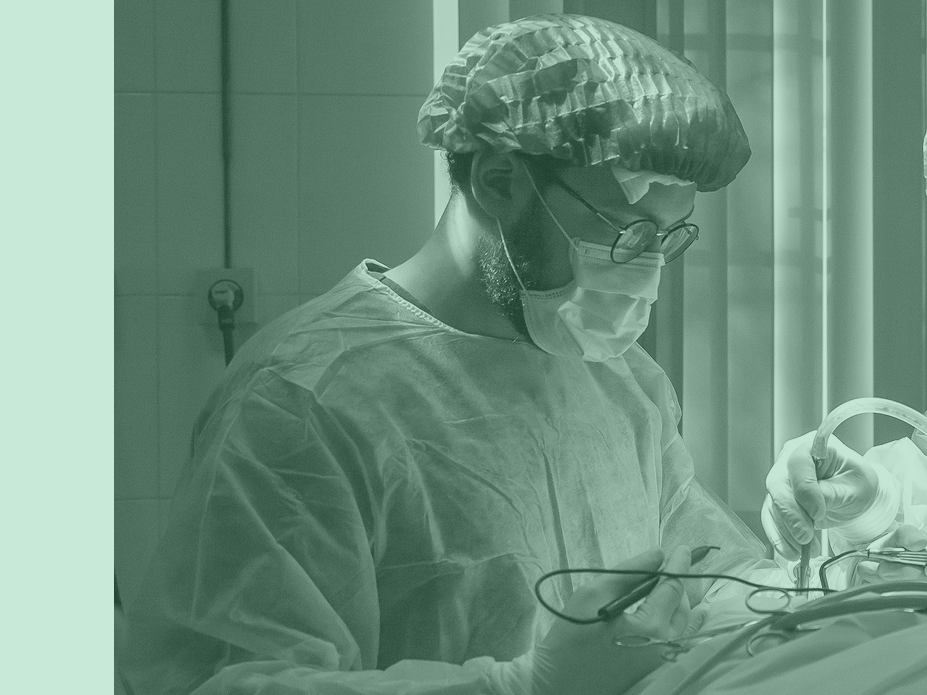
- Performed by an interventional radiologist
- Done under local anaesthesia with light sedation for comfort
- A small catheter is inserted into an artery (usually in the wrist)
- Using X-ray guidance, the catheter is advanced to the small arteries supplying the inflamed tendon
- Tiny microparticles are injected to block the abnormal blood vessels while preserving normal blood flow
- The procedure typically takes about one hour and is performed as a day-stay treatment
Benefits
- Minimally invasive – no surgical incision
- Performed under local anaesthesia – no general anaesthesia
- Quick recovery – most patients return to normal activity within days
- Reduction in pain and improvement in grip strength
- Improved function and range of motion over time
Risks and Side Effects
Complications are uncommon but may include:
- Mild bruising or tenderness at the catheter site
- Temporary warmth, tingling, or mild skin discolouration near the elbow
- Temporary increase in pain or stiffness for a few days
- Rarely: infection, tissue injury, or small skin ulceration
After the Procedure
- Most patients can go home the same day
- Light activities can usually resume the following day
- Pain improvement typically begins within 2–4 weeks and continues over several months
- Physiotherapy is helpful to restore flexibility and strength
Talk to Us
If you suffer from chronic elbow pain from Tennis Elbow or Golfer’s Elbow and want a non-surgical treatment option, speak with your interventional radiologist or referring doctor about Elbow Pain Embolization (TAME).